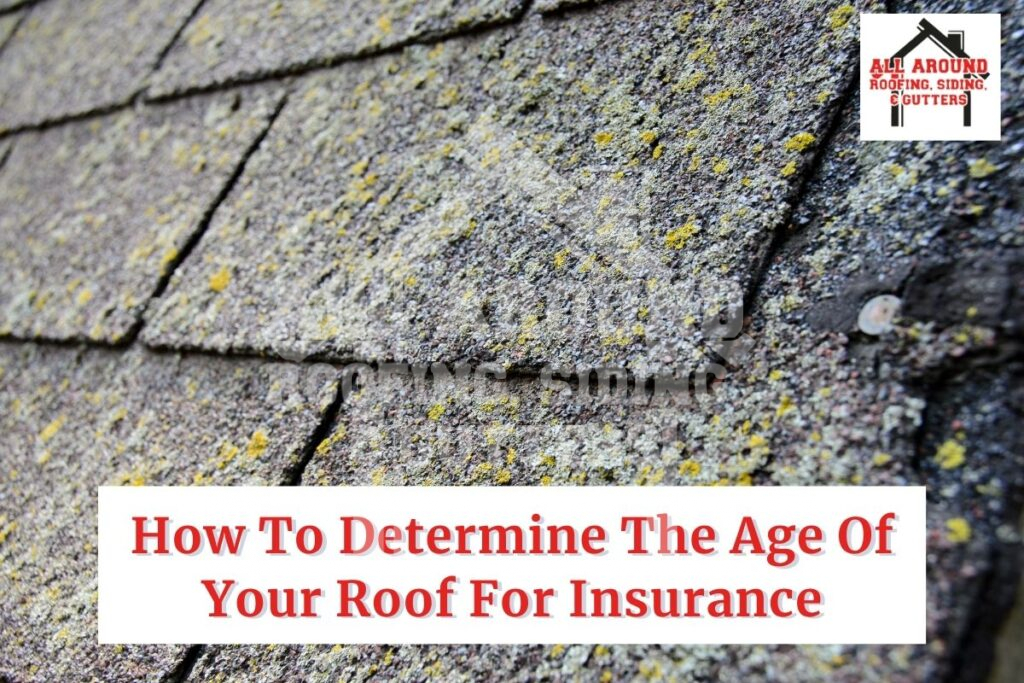
Finding out how old your roof is is important, particularly for insurance purposes. Insurance companies frequently take your roof’s age and condition into account when calculating rates and available coverage. An old roof may result in more expenses or less coverage, while a well-maintained roof can lead to reduced premiums.
To help you make the best roofing decisions, here’s how to determine the age of your roof.
Why Knowing Your Roof’s Age Matters
Insurance Premiums
Knowing the age of your roof is essential since it directly affects your homeowner’s insurance. Insurance companies may raise rates for older roofs because they perceive them as greater risks. Average homeowners policy premiums reached $1,900-$2,000 in 2025 (up 8-10% year-over-year), with deductibles rising 20-25%. The premium difference between homes with new roofs and older roofs has grown to $150-$160 annually. When a roof reaches the end of its useful life, your insurance company may restrict coverage or demand a replacement before extending your coverage. Knowing how old your roof is makes it easier to get ready for any possible modifications.
Maintenance Planning
Planning maintenance and repairs is helpful when you know how old your roof is. Inspections are recommended at 10, 15, and 20-year milestones, and annually for roofs 15-20+ years old. Monitoring the age of your roof will help you plan routine maintenance and identify problems early on, saving you money by preventing the need for potential repairs or a complete replacement. Proper maintenance can extend a roof’s life by 5-10 years. This can increase the lifespan of your roof and save you money.
Home Resale Value Considerations
The age of your roof can impact your home’s resale value. Buyers prefer homes with newer roofs to avoid the cost of replacing an old one. Newer homes (built around 2024) cost $1,200-$1,300 to insure annually, compared to $2,100-$2,200 for older homes (built around 1955-1985). An older roof might lead to lower offers or price cuts. Knowing your roof’s age helps you better position your home on the market.
Safety Assurance
Understanding roof age ensures it can withstand weather conditions and maintain the structure of your home. A roof that’s approaching the end of its lifespan may not provide adequate protection during storms or severe weather events.
Efficiency Improvement
Knowing roof age allows planning to upgrade to more efficient materials, cutting energy costs. Modern roofing materials offer better insulation and energy efficiency than older options.
Ways To Determine Your Roof’s Age
1. Ask Previous Owners
If you bought your home from someone else, contacting the previous owners can be a good start in figuring out your roof’s age. They might remember when the roof was installed or have records that can give you a better idea of its history.
2. Check Building Permits
Local building permits can reveal a lot about your roof’s age. Many cities require permits for roofing work, and the records are usually available through the building department. By looking up permits, you can find out when your roof was installed.
3. Examining Roofing Warranty Documents
If your roof was recently replaced, you probably received warranty documents with the installation date and material lifespan. These documents are useful as they outline when the roof was installed and what the warranty covers. Reviewing them can help you understand the material quality and required maintenance to keep the warranty valid. This is key for planning future upkeep or replacement, ensuring you get the most from your investment.
4. Request Documentation from Roofing Companies
If you know which roofing company did the work, try reaching out to them. Many roofing contractors keep records of their jobs, including the installation date and materials used. This can help you determine your roof’s age more accurately.
5. Look for Manufacturer Labels or Stamps
Check for labels or stamps on roofing materials indicating their production date, which provides a general estimate of roof age. These markings are often found on shingles, underlayment, or other roofing components and can give you a practical DIY method for age estimation.
6. Consult a Roofing Professional
Another way to estimate your roof’s age is by hiring a roofing professional for an inspection. A qualified inspector can assess the condition of your roof and estimate its age based on wear and tear. They can also spot any issues that might need attention, helping you plan for future repairs or replacements.
Alternative Assessment Methods
You can evaluate estimated remaining useful life through three main factors: shingle pliability and physical integrity, bonds between shingles, and granule loss patterns. Shingle design, quality, and regional weather conditions should also be considered. Thicker shingles generally last longer, but examining granule adhesion and seal quality is most important for determining current condition.
Estimating Age by Material Lifespan
Different roofing materials have varying lifespans that can help estimate age. Standard 3-tab asphalt shingles last 15-25 years, while architectural shingles last 25-35 years. Premium materials vary significantly: Metal roofing can last 40-100 years, clay tiles 50-100 years, and slate 75-200 years.
| Roofing Material | Typical Lifespan | Insurance Considerations |
|---|---|---|
| 3-Tab Asphalt Shingles | 15-25 years | Most common; scrutinized after 20 years |
| Architectural Shingles | 25-35 years | Better coverage eligibility than 3-tab |
| Metal Roofing | 40-100 years | May qualify for premium discounts |
| Clay Tiles | 50-100 years | Long lifespan reduces age-related concerns |
| Slate | 75-200 years | Premium material with minimal age impact |
Note: Actual lifespan varies based on climate conditions, installation quality, and maintenance.
Look For Visible Clues
There are a few visible clues that can indicate your roof is coming to the end of its lifespan. Since some of these clues can also indicate general storm damage, you’ll want to hire a professional to help determine whether these signs mean your roof is reaching the end of its lifespan.
1. Shingle Issues

Missing Shingles: Gaps where shingles are missing can let water into the roof, increasing the risk of leaks and damage.
Cracked Shingles: Cracks in shingles from weather exposure can reduce their ability to protect your home.
Granule Loss: Finding granules in gutters means shingles are wearing out. Granules protect shingles from UV rays, so their loss speeds up aging.
Rusted Roof Valleys: Roof valleys help direct water into the gutter system. Rust in roof valleys indicates corrosion from long-term moisture exposure and possible leaks, compromising the ability to efficiently shed water.
2. Structural Issues

Sagging Roof: A sagging roofline suggests serious problems, often from water damage or rotting materials that have caused significant damage over time.
Moss Growth: Moss growth on the roof surface indicates moisture retention, which can speed up roof deterioration.
Leaks or Water Damage: Stains on ceilings or walls inside can signal roof leaks. Check the attic for water damage or mold.
Daylight Through Roof Decking: Seeing light through the roof deck in the attic means there are gaps or holes that could lead to leaks.
3. Damaged Roofing Components

Worn or Missing Flashing: Flashing around chimneys and vents helps prevent leaks. If it’s worn or missing, your roof might let in water.
Interior Stains: Stains on the ceilings or walls might indicate leaks or poor ventilation, suggesting it’s time for a closer look.
4. General Wear and Tear
Visible Wear: Over time, roofs show general wear, such as cracked metal parts and degraded sealants around vents.
Dark Spots: Discoloration, especially on metal roofs, can indicate rust, which can weaken the roof’s structure over time.
5. Increased Energy Bills
An aging roof can cause gaps, cracks, or inadequate insulation leading to heat gain in summer and loss in winter, forcing HVAC systems to work harder and raising energy costs. This is a practical indicator homeowners can monitor.
What To Do If You Can’t Determine The Roof’s Age
Get A Professional Inspection
If you’re having trouble figuring out your roof’s age, hiring a roofing contractor is a good next step. Professionals can thoroughly check your roof and determine its condition and age.
Use Insurance Resources
Your insurance company may be able to help. Insurance adjusters often assess roofs when writing policies. Contact your agent for advice or to get a roof assessment.
Replacement Timeline Guidance
Asphalt shingle roofs typically last around 20 years, whereas materials like clay tiles can endure for 50 to 100 years. Various factors including roofing material type, climate conditions, and upkeep affect lifespan. Consider a new roof before it reaches its expected lifespan to prevent problems like leaks and water damage.
Can I Still Get Homeowners Insurance If My Roof Is Old?
Yes, you can get homeowners insurance with an old roof, but it might be challenging. Insurers often check the roof’s age and condition, may require an inspection, and might offer limited coverage based on its current value. A worn-out roof could lead to higher premiums or coverage being denied.
Does The Age Of The Roof Affect The Cost Of Insurance?
U.S. roof claims costs reached $30-$35 billion in 2024, an increase of 25-30% since 2022. The age of your roof will affect the cost of your homeowner’s insurance. Many insurers won’t cover roofs older than 20 years, and some not over 15 years, due to the higher risk of damage associated with their age. This often results in higher premiums and limited coverage based on the roof’s original cost.
| Roof Age | Average Premium Impact | Key Insurance Changes |
|---|---|---|
| Under 5 years | Baseline rates | Full coverage eligibility; potential discounts |
| 5-10 years | Standard rates | Normal coverage with no age penalties |
| 11-15 years | +$150-$160 higher | Increased premiums; inspection may be required |
| 15-20 years | Significantly higher | Limited coverage options; higher deductibles (up 20-25%) |
| 20+ years | Highest rates or denial | Replacement often required for coverage |
Learn The Age Of Your Roof With The Experts At All Around Roofing, Siding, & Gutters
To manage your homeowner’s insurance effectively, knowing your roof’s age is important. Check your home inspection report, installation documents, manufacturer labels, local building permits, and the roof’s condition. For the best roofing services, trust All Around Roofing, Siding & Gutters. Our experts can help you determine your roof’s age and ensure it meets insurance requirements. Give us a call at (937) 902-2839 to learn more about how we can help you.
What happens if my insurance company requires a roof inspection and issues are found?
If an inspection reveals significant damage or deterioration, your insurer may require repairs before renewing coverage or offer only limited protection until issues are addressed. They might provide actual cash value coverage instead of replacement cost, or increase your deductible specifically for roof-related claims until improvements are made.
How often should I have my roof inspected to maintain insurance coverage?
Most experts recommend annual inspections for roofs over 15 years old, and at key milestones like 10, 15, and 20 years for newer roofs. Regular professional inspections help document your roof’s condition for insurance purposes and catch minor issues before they become claim-worthy problems that could affect your coverage eligibility.
Can upgrading my roof material affect my insurance coverage options?
Yes, upgrading to premium materials like metal, slate, or clay tiles can improve your insurance standing significantly. These materials often qualify for discounts due to their durability and longevity, and insurers view them as lower-risk investments that are less likely to require claims from weather damage or normal wear.
What documentation should I keep after getting a new roof installed?
Maintain all installation contracts, warranty documents, building permits, material specifications, and photos of the completed work. Keep receipts for any maintenance or repairs performed over the years. This documentation proves your roof’s age and maintenance history, which insurers need for accurate coverage assessments and claim processing.
Will my insurance company notify me when my roof reaches a critical age threshold?
Most insurers won’t proactively notify you about roof age concerns until policy renewal. They typically reassess during renewal periods, which is when you might face coverage changes or inspection requirements. It’s your responsibility to monitor your roof’s age and communicate with your agent before reaching the 15-20 year threshold.
Related Articles
-
 April 22, 2024How Old Is My Roof & How To Find Roof AgeYear after year, your roof protects your home from the weather like a shield. Still, it ages with time like any other component of your home, enduring deterioration from the sun, wind, rain, and snow. Understanding how old your roof is will help you maintain it properly and schedule any necessary repairs or replacements. In … <p class="link-more"><a href="https://roofingkettering.com/blogs/roof-age/" class="more-link">Continue reading<span class="screen-reader-text"> "How Old Is My Roof & How To Find Roof Age"</span></a></p>
 -
 June 19, 2024What Does the Ohio Roof Matching Law Mean To Your Insurance Claim?When your home is damaged by events like storms or fires, filing an insurance claim becomes essential. Understanding Ohio’s “roof matching law” is crucial, especially if the damage affects your roof. This law ensures that insurance companies cover replacement materials, such as roof shingles or siding panels, that match existing ones, avoiding patchy appearances. Navigating … <p class="link-more"><a href="https://roofingkettering.com/blogs/ohio-roof-matching-law/" class="more-link">Continue reading<span class="screen-reader-text"> "What Does the Ohio Roof Matching Law Mean To Your Insurance Claim?"</span></a></p>
 -
 September 4, 2025How to Finance a New Roof: Your Guide to Affordable Roof ReplacementsA damaged roof creates an urgent problem that cannot wait for better financial times. When shingles are missing, leaks are spreading, or storm damage threatens the structural integrity of a home, homeowners face a difficult reality: roof replacement costs have risen significantly and are unaffordable for many families paying out of pocket. Understanding how to … <p class="link-more"><a href="https://roofingkettering.com/blogs/how-to-finance-a-new-roof/" class="more-link">Continue reading<span class="screen-reader-text"> "How to Finance a New Roof: Your Guide to Affordable Roof Replacements"</span></a></p>
Protect Your Home with Expert Roofing
Don’t wait for leaks or storm damage to cause costly repairs. Our experienced roofing team provides fast, reliable service, high-quality materials, and lasting results. Ensure your home stays safe, secure, and looking great—contact us today for a free estimate.