What Should Dayton Business Owners Know Before Finding Professionals for Commercial Roof Repair in Ohio?
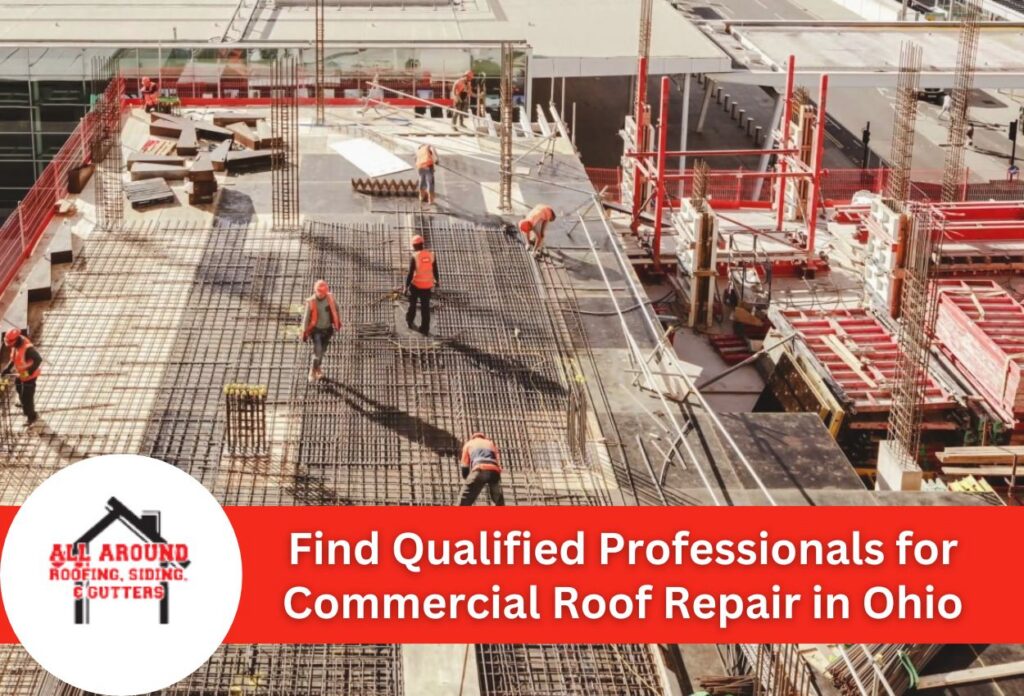
Ohio does not require a statewide roofing license, and there is no state-level roofing registration to verify; Dayton property managers should confirm the contractor holds active local municipal or county registration, carries required liability insurance, and has a verified permit history before hiring anyone. Skipping this step is one of the most common and expensive mistakes commercial building owners make in a fragmented contractor market.
Dayton’s climate makes commercial roof damage a recurring issue, not a one-time event. With 38 to 40 inches of annual precipitation, 20 to 25 severe storms per year, and temperature changes from October through March that expand and contract roofing membranes, damage builds up fast. Waiting too long to act often turns a manageable repair into a full replacement.
*Please note, price ranges listed in this article may not reflect the final cost of your project. Prices are subject to change based on various factors such as local labor rates, material quality, and more. All costs established in this article are rough estimates based on average industry rates.
How Do You Vet Licensed Commercial Roof Repair Contractors in Ohio?
Confirm local municipal registration and permit authority first. Ohio has no statewide roofing license or OCILB registration requirement for roofing contractors; the relevant credential to verify is the contractor’s active registration with the City of Dayton or Montgomery County building department and their documented ability to pull commercial roofing permits.
- Verify local registration and insurance: Ohio has no OCILB registration requirement for roofing contractors. Confirm the contractor is registered with Dayton’s building department or Montgomery County, carries active general liability and workers’ compensation insurance, and can name the permit number for your project before work begins.
- Confirm general liability coverage of at least $1,000,000: Request a certificate of insurance showing a minimum of $1,000,000 in general liability coverage. Any contractor who cannot produce this document puts your property and your finances at risk.
- Check for OSHA 10 or OSHA 30 certification: Workers on commercial roofs must meet safety training standards. OSHA 10 covers basic hazard awareness; OSHA 30 is a deeper certification for supervisors. Ask which certifications the crew holds before work begins.
- Confirm manufacturer certification for TPO and EPDM work: Manufacturers require installation by certified contractors to validate membrane warranties ranging from 10 to 30 years. Hiring an uncertified installer voids that warranty entirely.
- Ask about permit history: Dayton follows the Ohio Building Code, which incorporates IBC standards and requires permits for commercial roof replacements and major repairs. Unlicensed contractors often skip permits, shifting legal liability directly to the property owner.
- Request local commercial references: Ask for at least 3 completed commercial projects in the Dayton area within the last 2 years. Local references reveal how a contractor handles Ohio’s weather conditions, permit requirements, and post-job follow-through.
Skipping even one of these steps can cost far more than the repair itself, between voided warranties, unpermitted work, and uninsured liability. All Around Roofing, Siding & Gutters meets these standards and serves commercial property owners across the Dayton area.
What Do Commercial Roof Repair and Inspection Estimates Typically Cost in Ohio?
Commercial roof repair costs in Ohio range from $300 for a basic inspection to over $12 per square foot for a full TPO replacement, and choosing the wrong repair type for the extent of damage is one of the most expensive mistakes a property manager can make.
| Repair or Service Type | Typical Cost (Ohio) | Typical Turnaround Time |
|---|---|---|
| Professional roof inspection | $300 to $600 | 2 to 4 hours |
| Minor patch repair | $300 to $800 | 1 day |
| Seam resealing | $500 to $1,500 per 100 linear feet | 1 to 2 days |
| Membrane re-adhesion | $1.50 to $3.50 per sq ft | 1 to 2 days |
| Full EPDM replacement | $5 to $10 per sq ft | 3 to 7 days |
| Full TPO replacement | $6 to $12 per sq ft | 3 to 7 days |
Many commercial buildings in Dayton carry roofs that are 15 to 30 years old, and once degradation covers more than 25% of the surface of the roof, most contractors recommend full replacement over repeated patching. At that threshold, replacement cost per square foot is more economical than stacking repair bills that never fully stop the damage. A professional commercial roof inspection in the $300 to $600 range is the fastest way to know exactly which repair category applies to your building.
Which Commercial Roofing Systems Hold Up Best Against Dayton’s Weather Conditions?
Standing seam metal roofing lasts the longest at 30 to 45 years, but TPO and EPDM single-ply membrane systems dominate Dayton’s flat and low-slope commercial buildings and for good reason, given the local climate demands.
| Roofing System | Average Lifespan | Typical Installed Cost (per sq ft) | Primary Climate Advantage for Dayton |
|---|---|---|---|
| Roofing System | Average Lifespan | Typical Installed Cost (per sq ft) | Primary Climate Advantage for Dayton |
| TPO | 15 to 25 years | $6 to $12 | Reflects UV heat; reduces urban heat buildup on flat roofs |
| EPDM | 20 to 30 years | $5 to $10 | Stays flexible during temperature swings from October through March |
| Modified Bitumen | 15 to 20 years | $4 to $8 | Multi-layer build resists punctures and storm debris |
| Standing Seam Metal | 30 to 45 years | $10 to $17 | Sheds hail, snow, and water fast; high long-term return on investment |
Most post-industrial warehouses and retail centers across Dayton were built with flat or low-slope roof decks, which makes single-ply membrane systems, TPO, and EPDM the most common choices for both repairs and replacements. Metal roofing is growing in use for new construction and high-value replacements where owners want the longest service life available.
One factor that shortens modified bitumen’s already-short 15- to 20-year lifespan is Dayton’s 60% to 80% annual humidity, which accelerates seam degradation and often tips the repair-versus-replace decision toward full replacement sooner than owners expect. If an aging modified bitumen roof is showing widespread seam failure, a full membrane switch to TPO or EPDM is worth pricing out before committing to another round of patches.
When Is the Right Time to Schedule Commercial Roof Repair in Ohio?
Late April through early September is the best window for commercial roof repair in Ohio. Temperatures in Dayton consistently stay between 50 degrees and 85 degrees during this period, which is the range required for proper membrane adhesion and sealant curing on TPO and EPDM systems. Outside this window, results get unpredictable fast. Property managers who schedule inspections in March or April avoid the May through August contractor backlog that forms every year as Ohio’s severe weather season peaks.
| Time Period | Conditions | Repair Risk Level |
|---|---|---|
| Late April to early September | 50 degrees to 85 degrees; dry spells between storms | Low: best window for planned repairs |
| May through August | Peak of 20 to 25 severe storms per year | High: emergency demand; contractor backlogs form |
| March and April | Temperatures are rising, and contractors are available | Low: ideal for scheduling ahead of the busy season |
| November through March | Below 40 degrees, membrane contraction and expansion are active | High: adhesives may fail; emergency repairs cost 15% to 25% more |
Emergency repairs done between November and March are possible, but expect to pay 15% to 25% above standard rates due to cold-weather material and labor demands. Getting ahead of the busy season with a March or April inspection is the most cost-effective move a property manager can make.
How Much Can Dayton Property Owners Save by Acting Before a Small Leak Becomes a Structural Problem?
A minor commercial roof leak patched early costs $300 to $800, but left alone for 6 to 12 months, that same leak can trigger insulation replacement at $1.50 to $3.00 per square foot, deck board repairs ranging from $2,000 to $8,000+, and interior water damage remediation from $3,000 to $15,000+. That adds up to total exposure that can reach 10 to 50 times the original repair cost, depending on damage spread.
The math on early action is hard to argue with. Semi-annual inspections running $300 to $600 each often satisfy manufacturer warranty requirements and can extend a roof’s service life by 5 to 10 years, effectively pushing back a $6 to $12 per square foot replacement on a typical 10,000-square-foot commercial roof. That deferral alone can represent $60,000 to $120,000 in delayed capital spending.
Getting to that decision point costs very little. Most Ohio commercial roofing contractors offer initial assessments for $0 to $150, making early evaluation a low-risk financial decision for any facilities director or property owner. An hour-long assessment that identifies a $500 commercial roof repair before it becomes a $50,000 remediation project is one of the best returns available in commercial property maintenance. All Around Roofing, Siding & Gutters provides assessments for commercial properties across the Dayton area early enough to keep small problems from turning into expensive ones.
Ready to Find Qualified Professionals for Commercial Roof Repair in Dayton, OH?
If your building has an active leak or visible storm damage, every day without a repair puts your interior, insulation, and structural roof deck at greater risk, and a patch that costs $300 to $800 today can escalate to $15,000+ in water damage remediation if left unaddressed.
All Around Roofing, Siding & Gutters serves commercial property owners across the Dayton area and meets the licensing, insurance, and manufacturer-certification standards. Whether the building needs a targeted seam repair or a full commercial roof replacement, getting a qualified contractor on-site starts with one call or form submission.
Not ready to schedule? Learn more about commercial roof repair services.
Frequently Asked Questions
Got questions about your roof? We’ve got answers. From maintenance tips to insurance claims and repair timelines, our FAQ section covers the most common concerns homeowners have. Get informed and make confident decisions about protecting your home.
People Also Ask
Does Dayton's location in the Heartland Tornado Region affect what commercial roofing contractors should carry in terms of wind uplift ratings?
Yes, Dayton’s tornado exposure means commercial roofing systems should meet ASTM D7156 and IBC wind pressure standards specific to southwestern Ohio’s risk zone. Ask any contractor to confirm their proposed system’s wind uplift rating before work begins, as undersized fastening patterns are a common failure point after high winds.
Can infrared thermography help identify hidden moisture damage before hiring a commercial roof repair contractor in Ohio?
Infrared moisture mapping allows contractors to detect trapped moisture beneath membranes that standard visual inspections miss entirely. Many Dayton commercial roofing professionals use this diagnostic tool during initial assessments, making it a useful question to ask when comparing contractors, especially on older flat roofs with suspected but unconfirmed leaks.
Are there local Dayton building department requirements that affect how quickly a commercial roof repair permit gets approved?
Dayton’s local building department requires detailed material specifications and contractor registration documentation before approving commercial roof permits, which can add several business days to project timelines. Experienced local contractors familiar with Montgomery County’s submission process typically move through permitting faster than out-of-market firms encountering local requirements for the first time.
Related Articles
-
 February 21, 2022A Business Owner Guide To Commercial Roof RepairFor businesses, a strong roof is a necessity. With heavy rains, ice storms, and even snowstorms in the winters, it’s essential to have a reliable commercial roof. Not only are you preventing your business from costly water damage and health-hazardous mold, but you’re also ensuring that its most important component, i.e., the roofing system, lasts … <p class="link-more"><a href="https://roofingkettering.com/blogs/a-business-owner-guide-to-commercial-roof-repair-in-ohio/" class="more-link">Continue reading<span class="screen-reader-text"> "A Business Owner Guide To Commercial Roof Repair"</span></a></p>
 -
 March 10, 2024Why Regular Commercial Roof Maintenance Is A Business NecessityThere are many facets of maintaining your commercial property as a business owner that require your attention. The to-do list can seem never-ending, ranging from handling finances to guaranteeing staff satisfaction. But maintaining your commercial roof is an important factor that you should never ignore. Even though it might not always be your top priority, … <p class="link-more"><a href="https://roofingkettering.com/blogs/7-commercial-roof-maintenance-tips/" class="more-link">Continue reading<span class="screen-reader-text"> "Why Regular Commercial Roof Maintenance Is A Business Necessity"</span></a></p>
 -
 September 14, 2023Commercial Roofing Trends: What Property Owners NeedRunning a company is not an easy task and as a business owner, you have a million things on your mind. During this everyday chaos, you might forget about your roof. But don’t worry, that’s why we are here. In our last blog post, we talked about the best residential roofing trends and since then … <p class="link-more"><a href="https://roofingkettering.com/blogs/commercial-roofing-trends/" class="more-link">Continue reading<span class="screen-reader-text"> "Commercial Roofing Trends: What Property Owners Need"</span></a></p>
Protect Your Home with Expert Roofing
Don’t wait for leaks or storm damage to cause costly repairs. Our experienced roofing team provides fast, reliable service, high-quality materials, and lasting results. Ensure your home stays safe, secure, and looking great—contact us today for a free estimate.