Why an Air Gap Between the Insulation and Roof is Essential for Proper Ventilation
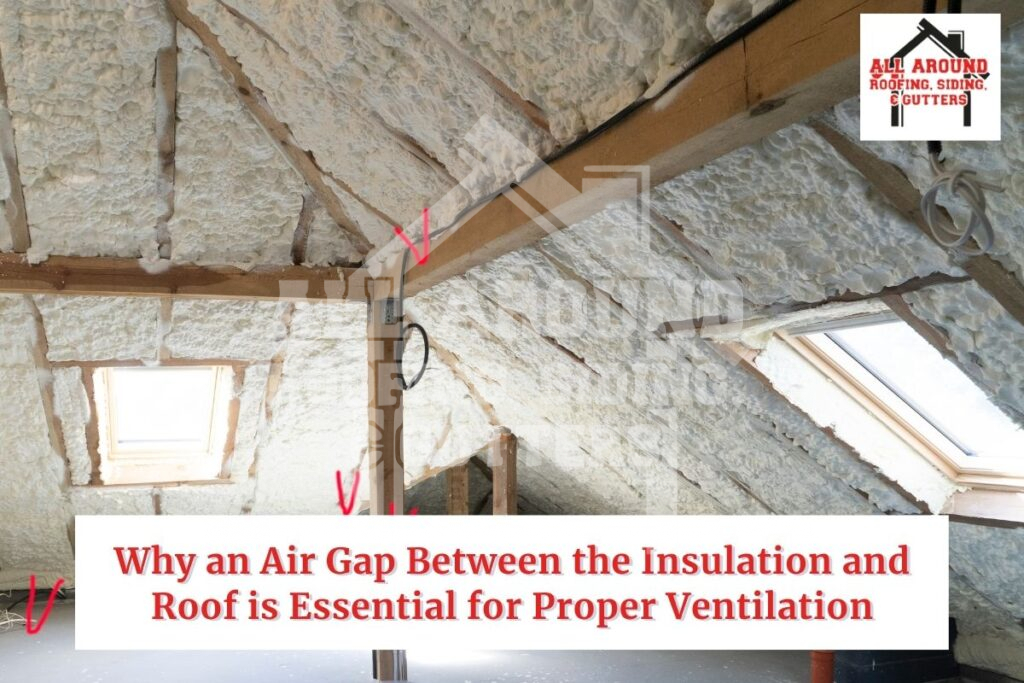
Imagine it’s a hot summer day, and your attic feels like an oven. Or it’s winter, and you’re facing ice dams that could damage your roof. These problems have a common cause: poor ventilation. Many homeowners overlook the need for good roof ventilation, but it’s important for a healthy and comfortable home.
Ventilation helps control temperature and moisture in your attic, preventing damage and keeping your family comfortable. In this blog post, we’ll explain the role of air gaps in roof ventilation, the risks of not having an air gap between the insulation and the roof, and more.
Do You Need An Air Gap Between Roof And Insulation?
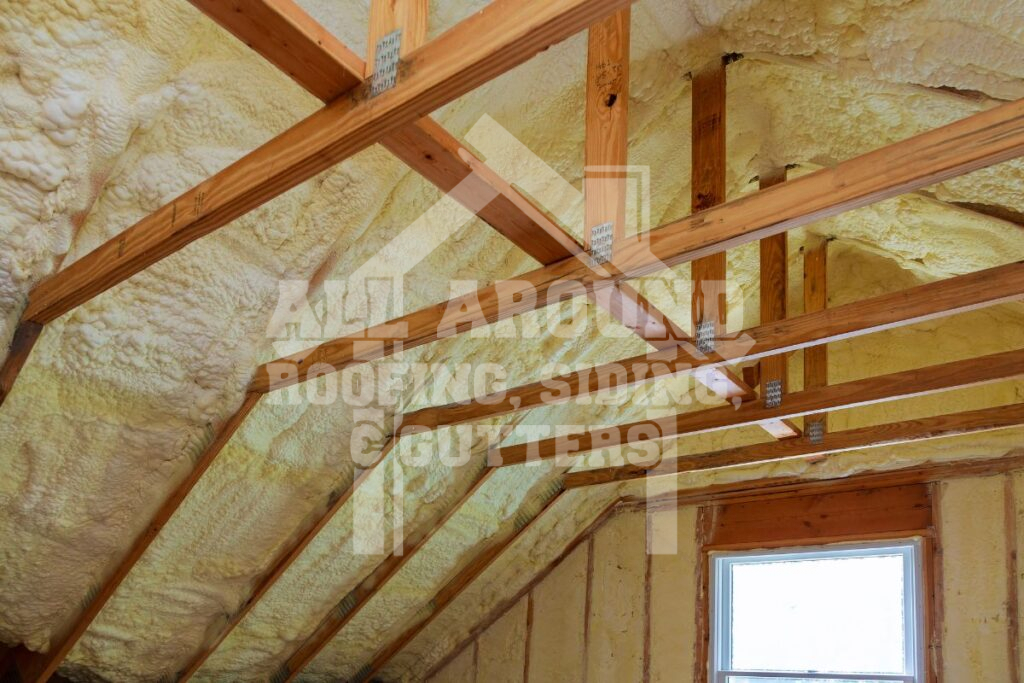
An air gap between the roof and insulation is essential for good ventilation and moisture control. This space, found between the roof deck and the insulation materials, plays a vital role in managing moisture and improving thermal performance.
By trapping air, the gap creates a barrier that slows down heat transfer from warm to cold areas. This helps increase energy efficiency, keeps indoor temperatures comfortable, and lowers energy bills by reducing heat loss.
Recommended Air Gap Sizes
For Roofs: It’s best to have an air gap of at least 2 inches above the insulation when using traditional felt membranes. This space allows airflow and helps manage moisture effectively.
Also Read: How To Calculate The Amount Of Roof Ventilation Needed For Your Home
Importance of Air Gaps for Ventilation
Each benefit of air gaps contributes to a healthier home environment.
#1. Thermal Performance
An air gap works with insulation to block radiant heat, keeping homes warmer in the winter and cooler in the summer. It also allows heat to escape from the roof, improving overall insulation and energy efficiency.
#2. Moisture Control
Ventilation through the air gap helps prevent condensation by letting warm, moist air escape, reducing the chances of mold growth and structural damage. This also boosts the performance of insulation and air sealing.
#3. Energy Efficiency
By limiting heat transfer, an air gap can cut heating and cooling costs. This improves energy efficiency, reduces utility bills, and lowers the home’s carbon footprint.
#4. Roofing Longevity
Proper airflow protects roofing materials from moisture damage, extending their lifespan and reducing the need for repairs. Ventilation ensures the roof dries quickly after exposure to moisture, preventing long-term damage.
#5. Indoor Air Quality
Better airflow helps remove stale or contaminated air, reducing the risk of mold and improving indoor air quality, especially in humid or polluted areas.
#6. Sound Insulation
The air gap also acts as a barrier to sound, reducing noise transmission and creating a quieter indoor environment, which is particularly beneficial in busy or noisy areas.
#7. Comfort
By preventing drafts and cold spots, air gaps help maintain a more stable indoor temperature, enhancing comfort throughout the home, particularly in regions with extreme weather.
Consequences of Not Having an Air Gap
Not having an air gap between the insulation and the roof can cause several serious problems for your home.
1. Structural Damage
Excess moisture can weaken insulation and roofing materials, causing rot and decay, which leads to costly repairs.
2. Lower Energy Efficiency
Without an air gap, insulation isn’t as effective. This increases heat transfer, leading to higher energy bills and more energy consumption.
3. Temperature Issues
Improper ventilation makes it hard to regulate indoor temperatures, causing discomfort during hot summers and cold winters.
4. Shortened Roof Lifespan
Moisture trapped near roofing materials can cause them to wear out faster, requiring more frequent repairs or replacements.
5. Pest Problems
Excess moisture creates an environment that attracts pests like termites, which can cause damage to insulation and building materials.
6. Poor Indoor Air Quality
Poor ventilation leads to stale air and the buildup of allergens, which can worsen respiratory issues like allergies and asthma.
7. Higher Maintenance Costs
All these problems—moisture, pests, structural damage—lead to higher maintenance costs over time.
Best Practices for Implementing Air Gaps
Implementing best practices can ensure effective ventilation.
Gap Size
For roofs, a minimum air gap of 2 inches is recommended to allow vertical airflow. This helps maintain proper ventilation and supports insulation.
Insulation Spacers
Insulation spacers are crucial for keeping the air gap in place. They prevent the insulation from getting compressed against the roof deck, helping it maintain its effectiveness. By holding the insulation properly, spacers improve thermal performance and control moisture.
Ventilation Systems
Proper ventilation is key for air gaps. Systems like ridge vents, soffit vents, and gable vents allow air to flow through the attic, reducing moisture and improving insulation. This helps with indoor air quality and prevents issues like mold caused by trapped moisture.
How to Maintain an Air Gap Between the Insulation and Roof
Keeping the air gaps intact is crucial for your home’s comfort and ventilation system. Here are some tips to ensure it stays in good condition:
1. Installation Guidelines
Make sure your contractor leaves an adequate air gap when installing insulation. Use baffles or spacers to maintain the gap between the insulation and the roof deck.
2. Regular Inspections
Inspect your roof and attic regularly to ensure the air gap is intact. Look for moisture buildup, mold, or compressed insulation and address them promptly.
3. Consult Manufacturer Guidelines
Follow the installation instructions from manufacturers regarding air gap sizes. Each material has specific requirements for effective performance.
4. Professional Assessment
For complex installations or unique designs, seek advice from professionals for the best recommendations based on local climate and building codes.
Optimize Your Roof With All Around Roofing, Siding & Gutters!
The air gap between insulation and the roof may seem like a minor detail, but it is crucial for keeping your home healthy and efficient. If you’re unsure about how well your roof is ventilated, it’s a good idea to talk to a professional. They can evaluate your situation and suggest improvements.
With over 40 years of combined experience, All Around Roofing, Siding & Gutters are experts in roof ventilation systems and the leading roofing company in Dayton, OH. Our strong reputation includes recognition from the National Roofing Contractors Association, an A+ rating from the Better Business Bureau, and positive reviews from HomeAdvisor. For quality roofing services you can trust, call us at (937) 902-2839. We also offer instant roof quotes!
Related Articles
-
 February 7, 2022The Difference Between Cladding And SidingA home’s exterior makes a massive impression on anyone who sees it. Exterior cladding and siding serve as an extension to your home, offering extra protection from the elements, reflecting your taste and style to all passersby, and increasing property value. So when you need to replace your cladding or siding, knowing which material to … <p class="link-more"><a href="https://roofingkettering.com/blogs/the-difference-between-cladding-and-siding/" class="more-link">Continue reading<span class="screen-reader-text"> "The Difference Between Cladding And Siding"</span></a></p>
 -
 December 13, 2024Does Spray Insulation Remove The Need For Roof Ventilation?Given its energy efficiency and ability to form an airtight seal, spray foam insulation has been a popular choice for roofing systems for a long time. However, many homeowners wonder if this modern technique could entirely replace conventional roof ventilation, raising important questions about its effectiveness. In this blog post, we will explore the function … <p class="link-more"><a href="https://roofingkettering.com/blogs/does-spray-insulation-removes-the-need-for-roof-ventilation/" class="more-link">Continue reading<span class="screen-reader-text"> "Does Spray Insulation Remove The Need For Roof Ventilation?"</span></a></p>
 -
 September 14, 2025Essential Roof Deck Maintenance Tips to Protect Your Home InvestmentKeep your roof deck in top shape with essential maintenance tips to prevent costly repairs.
Protect Your Home with Expert Roofing
Don’t wait for leaks or storm damage to cause costly repairs. Our experienced roofing team provides fast, reliable service, high-quality materials, and lasting results. Ensure your home stays safe, secure, and looking great—contact us today for a free estimate.