Residential Roof Inspection in Dayton, OH

Dayton puts roofs through a real workout. Winters bring freezing temperatures, occasional heavy snow, and ice buildup along eaves that can stress shingles and open up small cracks. Summers push into the 90s with high humidity, which encourages moss and algae to take hold on older shingles. Toss in around 40 inches of annual rainfall and the Miami Valley's flat, open terrain that leaves roofs exposed to steady winds, and you have conditions that wear down even a solid roof faster than most homeowners expect. A large share of homes in the Dayton area were built between the 1950s and 1970s, meaning many roofs are already at or past the point where age-related wear becomes a real concern.
A professional roof inspection gives you a clear picture of where your roof actually stands before small problems turn into expensive repairs. All Around Roofing, Siding & Gutters works with homeowners across the Dayton area and understands the specific ways this region's weather patterns and older housing stock create vulnerabilities that are easy to miss without a trained eye. Wind-driven rain during spring and fall storms can force water under shingles and through flashing without leaving obvious exterior signs, and granule loss from hail can shorten a roof's remaining lifespan in ways that are not visible from the ground. Knowing what you are dealing with early is the difference between a straightforward repair and a much larger project down the road.
How a Roof Inspection Works in Dayton, OH
Understanding how an inspection works before it is scheduled can take a lot of uncertainty out of the process. Here is exactly how All Around Roofing, Siding & Gutters approaches a residential roof inspection from the initial appointment through the final recommendations.
- Step 1: Scheduling and Property Access Review
The process begins by finding an inspection time that fits your schedule and confirming any areas that need to be accessed, including the roof, attic, and exterior perimeter of the home. We also discuss any concerns you have already noticed, such as leaks, stains, missing shingles, or drainage issues, so those areas receive special attention during the visit. If weather conditions are not suitable for a proper inspection, we will coordinate a more appropriate time. - Step 2: Full Roofing System Evaluation
During the inspection, we assess the condition of the roofing materials, flashing, ridge caps, valleys, vents, and roof edges. We look for signs of aging, storm damage, leaks, biological growth, and installation issues that could affect long-term performance. Attic ventilation and visible structural indicators are also reviewed because problems beneath the roof can sometimes reveal issues that are not obvious from the exterior alone. - Step 3: Detailed Reporting and Photo Documentation
After the inspection is complete, we organize our findings into a clear record that includes photographs, observations, and notes about any areas of concern. Rather than providing only a verbal overview, we document conditions throughout the roofing system, so you have a useful reference for future maintenance decisions, repair planning, or insurance discussions if applicable. - Step 4: Findings Review and Professional Guidance
We go over the results with you in straightforward language and explain what each finding means. If the roof is performing well, we will tell you that. If concerns are present, we explain their severity, potential consequences, and available solutions. Recommendations are based on the actual condition of the roof, not a predetermined sales approach. - Step 5: Planning the Next Steps
Before the inspection concludes, we outline any recommended actions and answer any remaining questions. Whether the next step is a repair, routine monitoring, preventative maintenance, or simply scheduling another inspection in the future, you will leave with a clear understanding of your roof's condition and the options available moving forward.
Best Times for Roof Inspections in Dayton, OH
Timing your roof inspection well makes a real difference in what gets caught and how useful the findings are. Dayton's weather creates specific windows where inspections are most productive, and understanding those windows helps you plan rather than react to a problem already in progress.
| Season | Inspection Conditions | Key Focus Areas |
|---|---|---|
| Early Spring | Good visibility after snow clears: watch for rain delays | Winter shingle damage, flashing gaps, ice-related wear |
| Late Spring | Reliable dry days: ideal for older roofs | Granule loss, moss and algae growth, hail damage |
| Early Fall | Best overall window before temperatures drop | Wind damage, flashing around chimneys and vents, shingle brittleness |
| Winter | Icy pitches limit safe access: inspections are not recommended | Defer unless a specific leak or damage requires urgent attention |
For most Dayton homeowners, early fall is the single most important time to schedule an inspection. The first hard temperature changes of the season tend to expose existing vulnerabilities before they become urgent, and catching those issues in fall gives you time to plan repairs before winter arrives. Homes built in the 1950s through 1970s, which make up a large portion of the local housing stock, benefit most from consistent yearly inspections, given that many of those roofs are nearing the end of their lifespan.
Flashing Inspection Around Gaps
Chimneys, vents, and skylights are the most common entry points for wind-driven rain in the Dayton area, and the flashing sealing those areas takes a beating from repeated temperature changes and steady exposure to the Miami Valley's open-terrain winds. Your inspection covers every flashing junction closely, since deterioration there often causes leaks long before shingle wear becomes an issue.
Attic Ventilation and Moisture Check
Poor attic ventilation traps heat and moisture that quietly break down your roof from the inside out, and it is a common issue in older Dayton homes where original construction did not always account for current ventilation standards. Checking airflow, insulation condition, and any signs of moisture buildup gives you a fuller picture of your roof's health than surface inspection alone can provide.
Moss and Algae Growth Pattern Review
Dayton's humidity and consistent rainfall create ideal conditions for moss and algae to establish on asphalt shingles, and the pattern of that growth can reveal where moisture is collecting and holding longer than it should. Your inspection includes a review of any biological growth as a sign of underlying moisture retention, not just a surface-level cosmetic concern.
Hail Damage Identification Separate from Age-Related Wear
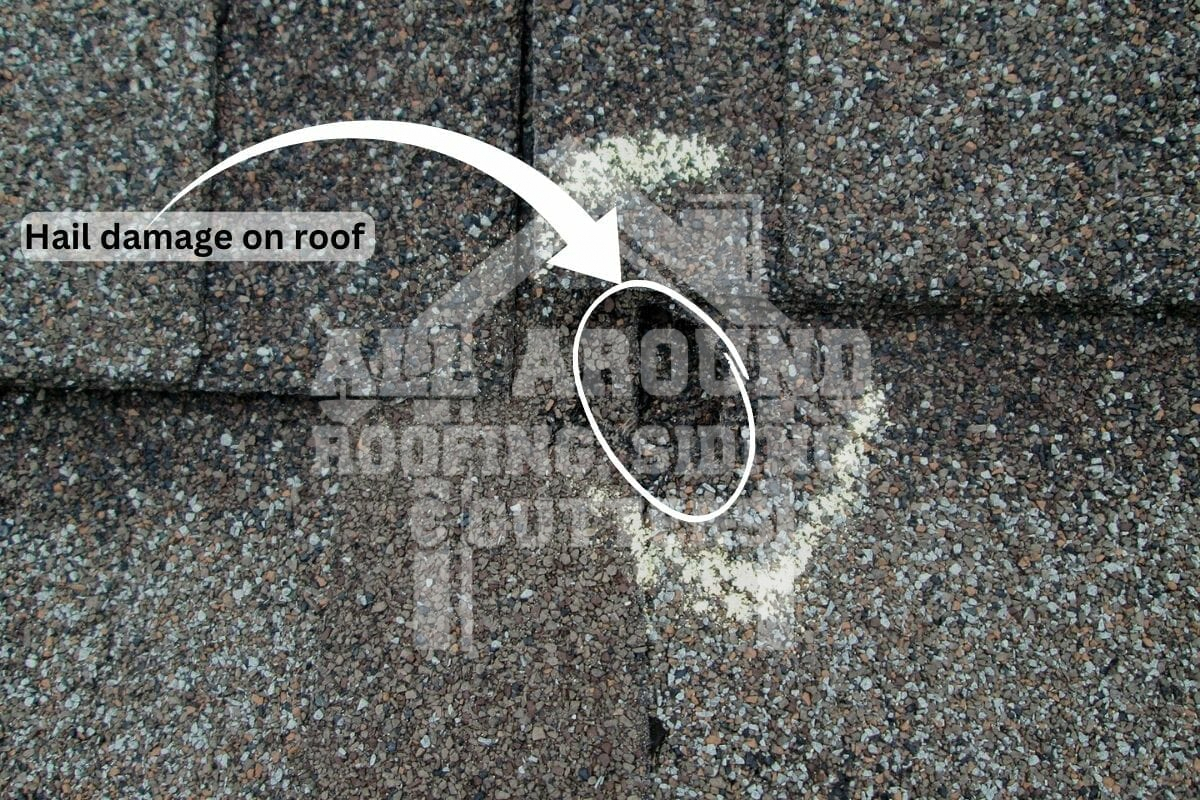
Hail is a regular part of Dayton's weather and leaves a specific type of damage that looks different from normal granule loss caused by age. Correctly identifying hail impact marks versus standard shingle wear matters because the two issues point toward different repair approaches, and knowing which you are dealing with helps you make an informed decision about next steps.
Schedule Your Residential Roof Inspection in Dayton, OH
Dayton's mix of wet springs, humid summers, and cold winters adds up over time, and older homes in the area often carry that wear in ways that are not obvious until something fails. A roof inspection gives you a clear, honest look at where things stand so you can make informed decisions about your home rather than react to a problem that has already gotten out of hand. Knowing your roof is in good shape, or understanding what needs attention, is the kind of information that protects your investment in your property and helps you avoid repairs that get more expensive the longer they wait.
All Around Roofing, Siding & Gutters serves homeowners throughout the Dayton area and is ready to help you get a complete picture of your roof's condition. If you are thinking about scheduling an inspection, reaching out is a simple first step, and the team will work with you to find a time that fits your schedule.
Frequently Asked Questions
Got questions about your roof? We’ve got answers. From maintenance tips to insurance claims and repair timelines, our FAQ section covers the most common concerns homeowners have. Get informed and make confident decisions about protecting your home.
Does the flat terrain around Dayton actually make a difference in how quickly a roof wears out?
It does, and it is something many homeowners do not think about until they start comparing notes with friends in hillier parts of Ohio. The Miami Valley's open landscape means there are few natural barriers to slow down wind, so your roof takes a more direct, consistent beating from prevailing winds than homes in more sheltered areas. Over time, that steady wind exposure accelerates shingle edge lifting and granule loss in ways that show up earlier than the shingle manufacturer's expected lifespan might suggest.
If my roof has been repaired a few times over the years, does that affect what the inspection covers?
Yes, and it is one of the more important details to mention when you schedule. A roof with a patchy repair history, which is common in older Dayton homes, can have areas where previous work was done with materials or methods that do not meet current local code standards. Your inspector will document any of those situations so you understand what you are working with, especially since local permit requirements for repairs mean that inspection findings need to hold up to code review.
What does moss or algae growth on my shingles actually mean for the roof underneath?
It is not just a cosmetic issue. In Dayton's humid conditions, biological growth on shingles tends to indicate spots where moisture is sitting longer than it should, which gradually breaks down the shingle material beneath the surface. The pattern of growth can point to drainage problems, low-slope areas that dry slowly, or ventilation issues that are allowing moisture to linger. Addressing the root cause matters more than just clearing the growth itself.