Residential Roof Inspection in Englewood, OH

Englewood sits in a part of Ohio where the weather does not go easy on roofs. Winters bring freezing temperatures, ice buildup along eaves, and occasional heavy snow that pushes aging shingles and flashing to their limits. Come spring, the thawing process leaves behind loose shingles and moisture that can work its way into your attic before you ever notice a problem inside. Summers add close to 40 inches of annual rainfall, and when thunderstorms roll through with straight-line winds reaching up to 60 mph, even a roof that looks fine from the street can be hiding real damage. Many homes in the area were built between the 1960s and 1990s, and those older asphalt shingle roofs face constant pressure from temperature changes and prolonged UV exposure that wears them down faster than most homeowners realize.
A professional residential roof inspection gives you a clear picture of where your roof stands before small problems turn into expensive repairs. All Around Roofing, Siding and Gutters works with Englewood homeowners to inspect everything from shingles and flashing to vents, gutters, and attic conditions. A complete inspection typically takes between 30 and 60 minutes and gives you real answers about what your roof needs now, and what to keep an eye on going forward. That kind of honest, detailed information is one of the most practical investments you can make in your property.
How a Roof Inspection Works in Englewood, OH
A roof replacement is a significant decision, and knowing exactly what to expect from start to finish makes the process easier to plan around your operations and schedule.
- Step 1: Existing Condition Inspection
We start by walking your roof and inspecting the membrane, seams, drainage points, flashing, and any areas showing signs of wear or leaks. On older low-slope systems, we also look closely for ponding, seam separation, and localized deck movement. This gives a complete and accurate understanding of the current condition before any recommendations are made. - Step 2: Honest Recommendation
After the inspection, we review the findings with you in clear terms. If targeted repairs can realistically extend the service life of the system, we explain that option. A full replacement is only recommended when the existing roof can no longer perform reliably as a system. The recommendation is based strictly on observed conditions. - Step 3: Options, Specifications, and Detailed Quote
If replacement is the appropriate direction, we walk through the available system types, including membrane options, insulation considerations where applicable, and detailing methods for drains, seams, and perimeter edges. The quote outlines the full scale of work, including removal, preparation, installation sequence, and finishing details, so the full process is clearly defined before scheduling. - Step 4: Professional Installation
The existing roofing system is removed in controlled sections, and the underlying surface is inspected as work progresses. Any damaged or compromised areas are addressed before new materials are installed. Installation is completed in sequence to maintain weather protection and operational continuity where required, with attention to seams, transitions, and gap detailing. - Step 5: Quality Assurance and Final Walkthrough
After installation is complete, the finished roof is reviewed against the project’s scale. Key details such as seams, flashing, drainage points, and perimeter terminations are checked for proper installation. The completed system is then reviewed with you so the work performed and the final condition are clearly understood before closeout.
What Gets Inspected on Your Roof in Englewood, OH
A complete residential roof inspection covers more ground than most homeowners expect. From the surface shingles down to attic conditions, each part of the system tells a story about how well your roof is holding up against Ohio's tough weather patterns.
- Shingles: Inspectors look for granular loss, curling edges, cracking, and missing pieces. Homes with asphalt shingles approaching 20 to 30 years old are especially prone to UV-related wear during humid summers.
- Flashing and Pipe Boots: Chimney flashing and pipe boots are common trouble spots. Summer heat spikes cause expansion and contraction that can open small cracks where water gets in.
- Vents and Soffits: Blocked or insufficient ventilation traps heat and moisture, speeding up shingle aging from the inside out. Ranch-style homes with limited soffit venting are particularly vulnerable.
- Gutters: Clogged gutters divert water back toward the roof edges, creating conditions for leaks and rot. Oak and maple trees throughout the area drop heavy leaves each fall.
- Attic Conditions: Inspectors check for moisture, insulation settling, and structural integrity in trusses and rafters, areas where temperature changes quietly do their worst work over time.
Each area connects to the others, so catching a problem in one spot often reveals a related issue nearby. That complete picture is what makes a thorough inspection genuinely useful.
Moisture Detection Below the Surface
Moisture meters help identify hidden leaks under shingles and around vents that visual checks alone can miss. In a region that sees close to 40 inches of annual rainfall and frequent wind-driven storms, water can find its way into the roofing system long before a stain shows up on your ceiling.
Post-Storm Inspection for Wind and Hail Damage
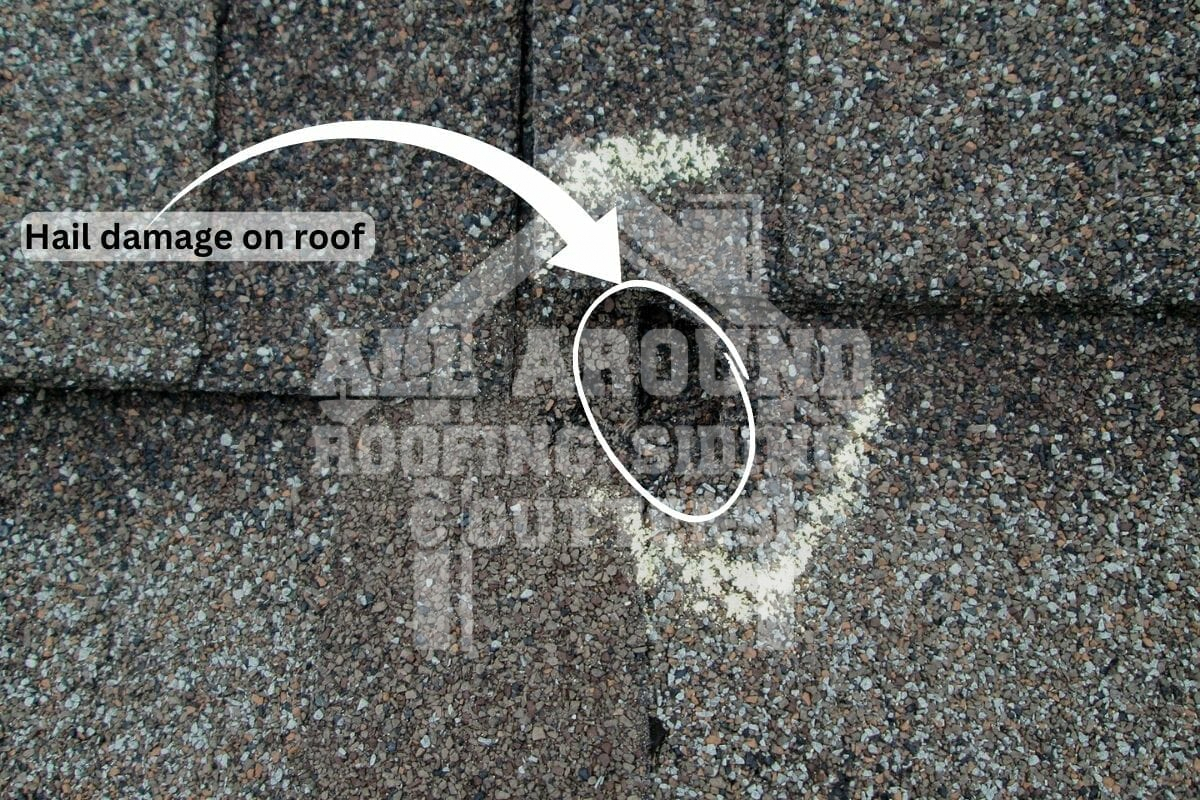
Thunderstorms in the Englewood area can bring straight-line winds and hail that leave damage that is easy to overlook without a trained eye. A targeted post-storm inspection confirms whether your roof took a hit and exactly where attention is needed before conditions get worse.
Ventilation Upgrade Assessment
If your current ventilation setup is contributing to moisture buildup or premature shingle wear, your inspector will give you honest, specific feedback on upgrades like ridge vents that could make a real difference. This is especially relevant for older ranch and two-story homes in the area with limited soffit venting.
Recommended Inspection Frequency Based on Roof Age
Homes with asphalt shingle roofs in the 20 to 30-year range benefit from inspections every two years to stay ahead of granular loss and UV-related wear before those issues reach the point of requiring major work. Your inspector will recommend a realistic schedule based on what your specific roof shows during the visit.
Schedule a Roof Inspection in Englewood, OH
Ohio weather is not predictable, and roofs in Englewood take the full brunt of it year after year. The combination of cold winters, spring thaws, and wet summers adds up gradually, and the homes in this area that have been standing since the 60s, 70s, and 80s are working with roofing systems that have had decades of that pressure behind them. Getting your roof inspected now, whether heading into winter or coming out of it, gives you a clear, honest picture of what you are actually dealing with before a small issue becomes an expensive one.
All Around Roofing, Siding, and Gutters is familiar with the roofs in the Englewood area and the conditions they face. If you are ready to know where your roof stands, reaching out to schedule an inspection is a simple next step that puts real information in your hands.
Frequently Asked Questions
Got questions about your roof? We’ve got answers. From maintenance tips to insurance claims and repair timelines, our FAQ section covers the most common concerns homeowners have. Get informed and make confident decisions about protecting your home.
Do I need a permit if the inspection turns up repairs that need to be made?
In Englewood, local building department requirements mean that certain repairs identified during an inspection will require a permit before work can begin. This is something many homeowners do not find out until they are already mid-process, so it is worth knowing upfront. Your contractor should be familiar with what triggers a permit requirement and handle that step on your behalf so nothing gets delayed or done out of order.
Why do gutters matter during a roof inspection if my gutters seem fine from the ground?
Gutters that look intact from the street can still be clogged or pulling away from the fascia boards in ways that push water back toward your roof edge rather than away from your home. In this area, oak and maple trees shed heavy leaves each fall, and that debris builds up faster than most people expect. A roof inspection that skips the gutters is missing a part of the system that directly affects how water moves off your roof and whether your eaves and underlayment stay dry.
What does attic ventilation have to do with how long my shingles last?
Poor attic ventilation traps heat against the underside of your roof deck, which accelerates shingle aging from below in a way you cannot see until the damage is already done. In older ranch-style homes throughout Englewood, limited soffit venting is a common setup that quietly shortens shingle life, especially through humid summers. During an inspection, your contractor can tell you specifically whether your current ventilation is working against your roof and what a realistic fix would look like.