Hail Damage Roof Repair in Huber Heights, OH

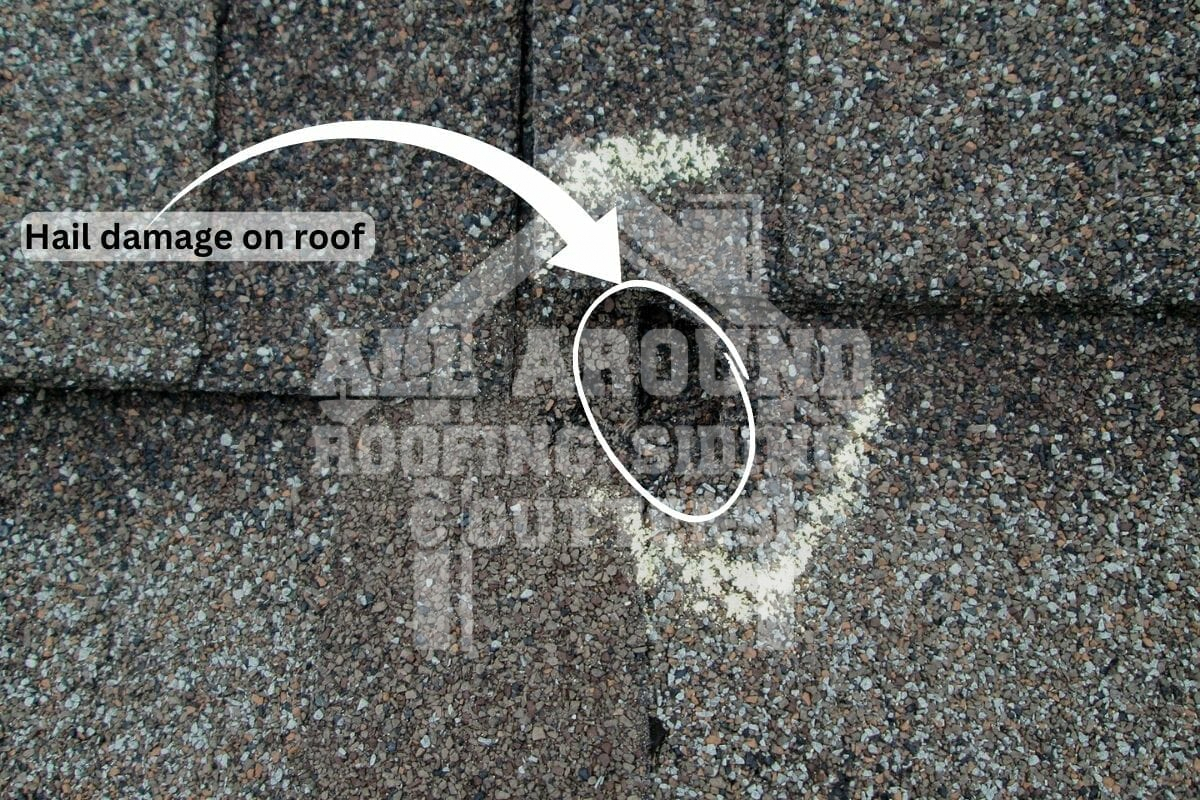
Huber Heights sits right in the heart of the Miami Valley, and if you’ve lived here for more than a spring or two, you already know how fast the weather can turn. The region gets hit with hail-producing storms regularly, and when hail rolls through, asphalt shingle roofs take the brunt of it. The problem is that a lot of the damage isn’t obvious from the ground. Granule loss, shingle bruising, and small cracks don’t show up as missing shingles or visible holes, but they quietly weaken your roof until the next heavy rain finds its way through.
That’s what makes hail damage different from other roofing problems. You might not notice anything wrong for weeks or even months, and by then, what started as surface-level damage has worked its way deeper. The spring and early summer storms that are so common here don’t give your roof much time to recover between storms, and the temperature changes that come with the season can widen any existing cracks before you even know they’re there, making prompt hail damage roof repair even more important.
All Around Roofing, Siding & Gutters works with homeowners across Huber Heights, OH who are dealing with exactly this situation. A thorough roof inspection after a storm is the first step toward protecting your home, and getting that inspection done quickly makes a real difference in how much repair work ends up being needed.
How Hail Damage Repair Works in Huber Heights, OH
Not knowing what to expect after a hail storm can make an already stressful situation worse. Here’s exactly how All Around Roofing, Siding & Gutters handles the process from start to finish.
- Step 1: Thorough Roof Inspection
A crew member gets up on your roof and looks at every area that may have taken impact, including shingles, flashing, ridge caps, and any exposed underlayment. We’re looking for granule loss, bruising, cracked shingles, and lifted edges that wind may have loosened alongside the hail. This step gives us a clear picture of what actually happened up there. - Step 2: Diagnosis and Options Discussion
Once we know what we’re dealing with, we walk you through what we found in plain language. We separate cosmetic damage from functional damage because not every hail hit requires a repair. If your roof is holding up and the damage is surface-level only, we’ll tell you that directly. - Step 3: Job Scale and Quote
If repairs are needed, we put together a clear job scale that covers exactly what will be done and which areas will be addressed. You’ll know what to expect before any work begins, with no surprises along the way. - Step 4: Professional Repair
Most hail damage repairs are completed in a single visit, often within a few hours, depending on the extent of damage. We use secure fastening methods suited to asphalt shingles, which are the most common roofing material in Huber Heights and require specific attention after wind-accompanied hailstorms. - Step 5: Quality Verification and Walkthrough
After the repair is complete, we inspect the finished work and walk you through what was done. Our labor warranty covers the repaired areas for two years, so if a workmanship issue comes up, you’re covered.
Spotting Hail Damage Early in Huber Heights, OH
Hail doesn’t always leave obvious calling cards. On asphalt shingles, the damage often looks subtle at first, but those early signs matter a lot. Catching them quickly means less repair work and a roof that holds up through whatever the Miami Valley throws at it next.
- Granule loss: Check your gutters and downspout runoff after a storm. An unusual amount of granules collecting there signals that shingles have taken hold and are losing their protective surface.
- Shingle bruising: Hail hits leave soft spots on asphalt shingles that aren’t always visible from the ground. Pressing on the surface reveals a sponginess that indicates the mat underneath has been compromised.
- Lifted or loosened edges: Wind often accompanies hail in this region, and that combination can pry shingle edges up slightly, leaving gaps that let water get underneath during the next rain.
- Cracked or split shingles: Larger hailstones, which are common in Miami Valley storms, can split shingles outright. These cracks widen with temperature changes and become active leak points faster than most homeowners expect.
- Damaged flashing and ridge caps: These areas are often overlooked but take direct hail impact and can separate or dent, breaking the seal around vulnerable roof edges and peaks.
If your home was in the path of a recent storm, don’t wait to get eyes on your roof. The sooner damage is identified, the better your chances of keeping repairs straightforward and affordable.
Shingle Matching for Repaired Areas
When hail damage is isolated to specific sections of your roof, we take care to match replacement shingles as closely as possible to your existing material in color and profile. A repair that blends in protects your home’s appearance and resale value, not just its structure.
Underlayment and Roof Decking Check During Open Roof Stages
Once damaged shingles are removed, we look at what’s underneath before anything new goes down. If the underlayment or roof decking took on moisture or impact damage, we address it at that stage so you’re not covering up a problem that will show up again down the road.
Flashing Resealing Around Gaps
Hail impact near chimneys, vents, and pipe boots can break the seal around flashing, even when the shingles nearby look fine. We reseal those areas during the repair to close off the spots most likely to let water in during the heavy spring rains that follow storms in the Miami Valley.
Impact-Resistant Fastening for Wind-Prone Conditions
Huber Heights storms rarely bring hail without wind, and wind-loosened shingles are more vulnerable the next time a storm rolls through. We use fastening methods suited to local weather conditions so the repaired sections hold up against the kind of repeat hailstorms this region sees every spring.
Get Hail Damage Repaired in Huber Heights, OH
Spring in the Miami Valley doesn’t slow down, and neither does the wear that repeated hailstorms put on your roof. Addressing damage while it’s still limited to specific areas keeps your home protected and helps you avoid the kind of repair scale that grows when problems sit unattended through another round of storms and temperature changes. A roof that’s in good shape heading into the heavier part of storm season is one less thing you have to worry about.
All Around Roofing, Siding & Gutters is familiar with what Huber Heights roofs go through, and the work reflects that. If you’ve had a recent storm pass through and haven’t had your roof looked at yet, reaching out to schedule an inspection is a straightforward next step. There’s no pressure, just a clear picture of where things stand and what, if anything, needs to be done.
Frequently Asked Questions
Got questions about your roof? We’ve got answers. From maintenance tips to insurance claims and repair timelines, our FAQ section covers the most common concerns homeowners have. Get informed and make confident decisions about protecting your home.
How do I know if my roof took functional damage or just surface-level cosmetic damage after a hail storm?
This is one of the most important distinctions to get right, because the two require very different responses. Cosmetic damage affects how shingles look but doesn’t compromise their ability to shed water, while functional damage weakens the shingle mat and opens the door to leaks over time. A hands-on inspection is the only reliable way to tell the difference, since bruising and hidden mat damage aren’t visible from the ground or even from a glance at the surface.
Miami Valley storms seem to bring hail every spring. Does repeated smaller hail add up to real damage over time?
It does, and this is something a lot of homeowners don’t think to ask about. A single storm with smaller stones might not cause obvious damage on its own, but repeated impacts across multiple seasons strip granules gradually, thin out the shingle surface, and leave the underlying mat exposed to UV and moisture. By the time leaks show up, the roof has been quietly degrading through several storm cycles, which tends to make the repair scale larger than it would have been if the roof had been checked earlier.
Why do some repaired areas start leaking again after the work is done?
The most common reason is that the repair addressed the visible shingle damage without checking what was underneath at the open roof stage. If the underlayment absorbed moisture or the roof decking took impact damage, covering it with new shingles just delays the problem rather than solving it. A thorough repair looks at every layer before anything new goes down, which is why that underlayment and roof decking check matters as much as the shingle work itself.