Residential Roof Inspection in Miamisburg, OH

Miamisburg sits in a weather corridor that keeps roofs working hard year-round. Winters push temperatures into the 20s, and the combination of snow, ice buildup along roof edges, and repeated temperature changes between seasons takes a real toll on shingles and flashing. By the time spring arrives, humid summers with highs in the 80s are already primed to accelerate moss and algae growth, expand seams, and quietly allow leaks to develop. Many homes in Miamisburg were built in the mid-20th century, which means a lot of the asphalt shingle roofs in this area are carrying their age and showing wear patterns that only get worse without attention.
A professional residential roof inspection gives you a clear picture of where your roof actually stands before small problems turn into expensive repairs. All Around Roofing, Siding & Gutters works with homeowners across Miamisburg and understands the specific wear patterns this area produces. Wind-driven rain, granule loss from temperature swings, and poor attic ventilation are all common in older construction, and all factor into what a thorough inspection needs to cover here. Getting an inspection in late spring or early fall gives you the best window to catch what winter left behind or spot summer deterioration before cold weather returns and stresses the roof again.
How a Residential Roof Inspection Works in Miamisburg, OH
Knowing exactly what happens during an inspection makes the process easier to understand and removes uncertainty about what is being evaluated.
- Step 1: Scheduling and Access Coordination
We schedule a time that works for you and confirm what parts of the property need to be accessible. If attic access is required, that is communicated in advance so the visit is prepared and efficient. The goal is a straightforward appointment with no last-minute adjustments. - Step 2: Thorough Inspection of Roof and Key Components
We evaluate shingles for wear patterns such as granule loss, cracking, and thermal aging. Flashing around chimneys, vents, skylights, and valleys is examined closely, since these transitions are common failure points. Where accessible, we also review attic ventilation and look for moisture indicators that can point to developing issues not visible from the exterior. - Step 3: Condition Record and Photo Documentation
We document all relevant findings with photographs and written notes. This creates a clear reference to existing conditions, including both minor concerns and more significant issues. The documentation is organized so you can understand what was observed without relying on verbal recall. - Step 4: Clear Assessment and Guidance
After the inspection, we explain the findings in direct terms. If repairs are needed, we identify the cause and explain the reason for the recommendation. If the roof is performing adequately and no work is necessary, that is stated clearly without added recommendations. - Step 5: Defined Next Steps
You leave with a clear understanding of the roof’s condition and any recommended actions. If work is needed, we outline practical next steps and timing considerations. If no work is required, we explain what to monitor going forward so you have a baseline for future reference.
What Inspectors Look for in Miamisburg, OH
Miamisburg's weather puts specific parts of your roof under more stress than others, and a thorough inspection targets exactly those areas. Understanding what gets examined helps you know what to expect and why each part of the process matters for homes in this area.
- Shingle condition: Inspectors look for granule loss, cracking, and curling caused by repeated temperature changes between seasons. Older asphalt shingles are particularly vulnerable, and early detection keeps minor surface wear from becoming a larger problem.
- The flashing’s structural integrity: Failed flashing around chimneys, vents, and valleys is one of the leading sources of attic leaks in this region. Detailed flashing inspection is one of the most important parts of any complete roof inspection.
- Moss and algae growth: Humid summers create ideal conditions for growth that traps moisture against shingles and can compromise the material underneath over time. Inspectors note coverage and check whether the underlayment shows signs of damage.
- Ice dam evidence: Water that backs up under shingles during winter thaws can cause interior damage that only becomes visible weeks later. Spring inspections specifically target moisture entry points left behind from ice buildup along roof edges.
- Attic ventilation: Poor airflow, common in mid-20th century construction, traps humidity and accelerates wear from the inside out. An inspection that includes attic access gives a fuller picture of what's actually happening with your roof.
Taken together, these checkpoints give you an accurate picture of your roof's condition rather than a surface-level look that misses where real problems tend to start.
Granule Loss Tracking on Aging Shingles
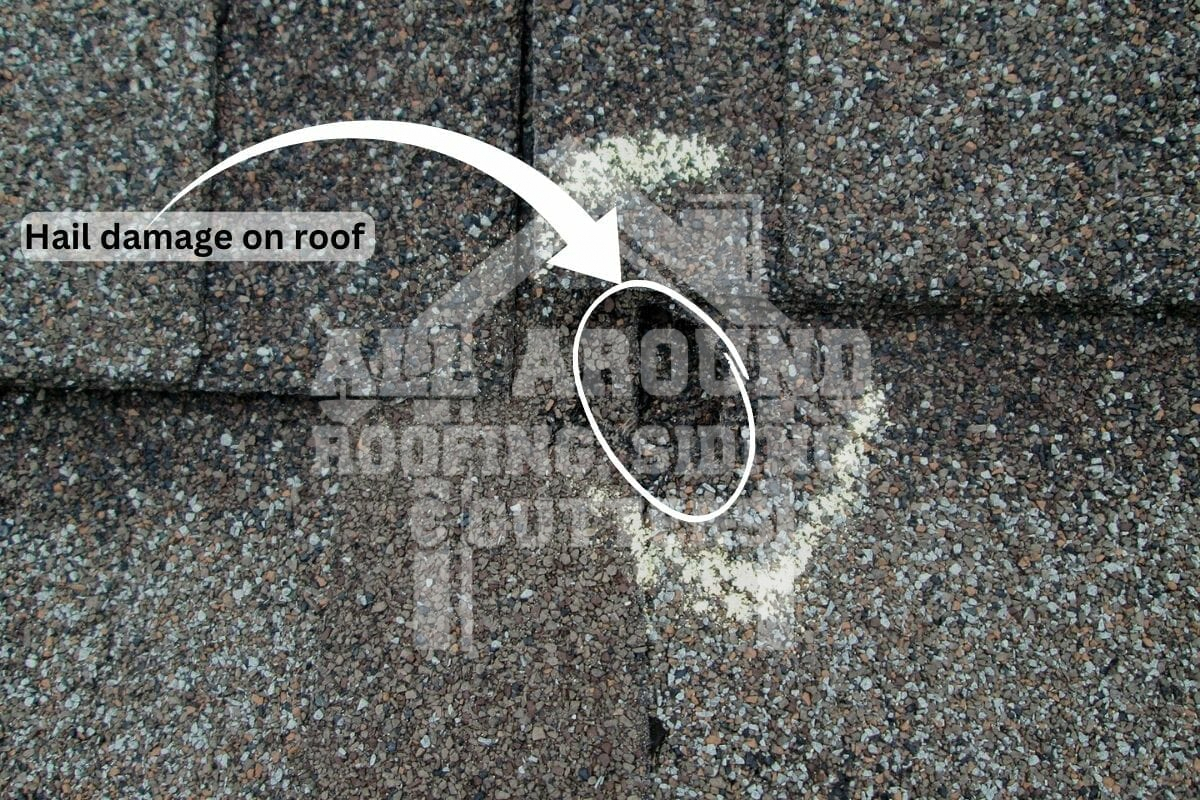
Inspectors document the degree of granule loss across your roof's surface, which matters because granules protect the asphalt layer beneath from UV exposure and moisture. On older Miamisburg homes where shingles have been through years of temperature swings and hailstorms, tracking how far this wear has progressed helps you plan rather than react to a failure.
Valley and Edge Drainage Review
The areas where roof planes meet and along lower edges are where water concentrates most during heavy rain, making proper drainage important for homes in this area. Inspectors check that these zones are directing water off the roof correctly and that nothing is blocking or misdirecting flow toward your fascia board, soffits, or foundation.
Sealant and Gap Condition
Every pipe boot, vent collar, and sealed gap on your roof is a potential entry point if the sealant around it dries out or separates. Miamisburg's temperature changes between seasons accelerate this breakdown, and a detailed check of these spots catches early failures before they work their way into your attic or interior walls.
Written Condition Summary for Your Records
At the end of the inspection, you receive a documented summary of your roof's condition that you can keep on file. This record is useful for tracking changes over time, especially on older homes where knowing the baseline condition helps you make informed decisions about repairs or timing a future replacement.
Schedule a Residential Roof Inspection in Miamisburg, OH
Miamisburg's mix of wet winters, humid summers, and repeated temperature shifts between seasons means your roof faces more wear over the course of a year than homeowners in drier climates typically deal with. Staying ahead of that wear with a regular inspection is one of the more practical ways to protect your home and avoid repairs that grow more expensive the longer they go unnoticed. For older homes, especially, an annual inspection often makes more sense than waiting and hoping nothing has changed.
All Around Roofing, Siding, and Gutters is familiar with the specific wear patterns that show up on roofs throughout the Miamisburg area and will give you a straight answer about what your roof actually needs. If late spring or early fall works for your schedule, those are the best windows to catch seasonal damage before the next stretch of weather adds to it. Reach out whenever you are ready, and we will take it from there.
Frequently Asked Questions
Got questions about your roof? We’ve got answers. From maintenance tips to insurance claims and repair timelines, our FAQ section covers the most common concerns homeowners have. Get informed and make confident decisions about protecting your home.
Why does my roof show more wear on certain sections than others, even though the whole roof is the same age?
Uneven wear is common on Miamisburg homes and usually comes down to a few factors working together. Areas with less airflow beneath them trap more heat and moisture, which breaks down shingles faster from the inside. Sections that collect debris or sit near overhanging trees also hold moisture longer, giving moss and algae a head start. A complete inspection looks at these patterns across the whole surface so you understand why specific areas are deteriorating faster and what, if anything, should be done about it.
What signs in my attic should prompt me to schedule a roof inspection sooner rather than later?
Staining on attic rafters or sheathing, daylight visible through the roof deck, or any musty smell after a rain are all signals worth acting on quickly. In older Miamisburg homes where attic ventilation is often inadequate, moisture builds up quietly, and the damage shows up in the attic before you ever notice anything from the living space below. By the time a ceiling stain appears, the problem has usually been active for a while. Catching it at the attic stage keeps the repair much simpler than waiting for it to work further into the structure.
Does the type of winter we had actually change what an inspector focuses on during a spring inspection?
Yes, and it matters more here than in many other parts of Ohio. A winter with multiple rounds of heavy snow followed by quick warm-ups creates more opportunity for ice to build up along roof edges and force water back under shingles. That kind of season leaves behind moisture entry points that are easy to miss without a targeted look at edge flashing and the underlayment beneath lower shingle rows. A milder winter with less freeze and thaw activity shifts more focus toward wind damage and sealant condition. Knowing what the season actually brought helps an inspector prioritize the right areas rather than running through a generic checklist.