3 Key Takeaways
-
Most commercial roof damage develops slowly due to neglect—regular inspections and proactive maintenance are the strongest defenses against costly structural issues.
-
Weather protection strategies such as proper drainage, snow load management, fastener checks, and membrane reinforcement are essential for extending the lifespan of flat commercial roofs.
-
Professional roof inspections twice a year (and after major storms) help detect hidden issues early and prevent expensive emergency repairs and business disruptions.
Commercial roof damage can devastate business operations and create unexpected expenses that strain budgets. Property managers and business owners who understand how to prevent commercial roof damage protect their investments while avoiding expensive emergency repairs that disrupt daily operations.
Most commercial roof problems develop gradually through neglect rather than sudden catastrophic events. Weather exposure, poor drainage, and lack of regular maintenance create conditions where small issues escalate into major structural problems. Common causes of commercial roof damage include ponding water, membrane deterioration, and thermal expansion that weakens roofing materials over time.
Extending commercial roof lifespan requires proactive strategies that address potential problems before they cause significant damage. Regular inspections reveal early warning signs like cracked membranes, loose fasteners, and blocked drainage systems. Commercial roof maintenance tips focus on preventive measures that preserve structural integrity and maintain weatherproof barriers.
Protecting flat roofs from weather damage demands consistent attention to drainage patterns and membrane condition. The frequency of commercial roof inspections should align with seasonal weather patterns and building usage requirements. Professional assessments identify vulnerabilities that property owners might overlook during routine building maintenance.
Implementing systematic prevention strategies reduces repair expenses and extends roof service life. Understanding these protective measures helps business owners make informed decisions about their roofing maintenance programs.
Warning Signs Every Property Owner Should Recognize
Identifying roof problems early significantly reduces repair costs and prevents extensive structural damage. Property owners should conduct regular visual inspections to spot warning signs that indicate potential roofing system failures before they escalate into major issues.
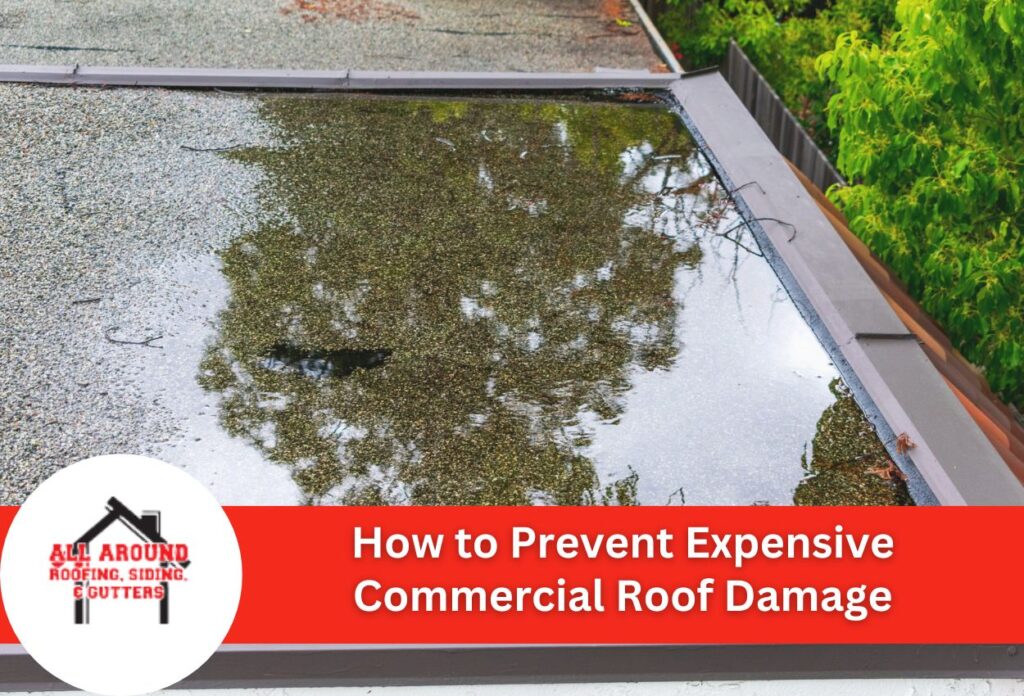
External visual indicators provide the clearest evidence of developing roof problems. Cracked or blistered membrane surfaces signal material deterioration that compromises waterproof barriers. Pooling water on flat roof sections indicates drainage problems that can lead to structural damage and membrane failure. Loose or missing fasteners around roof gaps create entry points for moisture infiltration.
Damaged flashing around HVAC units, vents, and roof edges allows water penetration that weakens underlying structural components. Granule loss on modified bitumen surfaces exposes membranes to UV damage and accelerates the aging process. Commercial roof maintenance tips emphasize checking these vulnerable areas during routine building inspections.
Interior warning signs often reveal roof system compromise before exterior damage becomes visible. Water stains on ceilings or walls indicate active leaks that require immediate attention. Unusual temperature fluctuations between rooms suggest insulation problems caused by moisture infiltration.
Increased energy bills frequently signal compromised roof insulation that forces HVAC systems to work harder, maintaining comfortable temperatures. Musty odors in building interiors indicate problems with water that can lead to mold growth and structural deterioration. These interior symptoms help property owners understand how to prevent commercial roof damage through early detection and prompt professional intervention.
Creating a Proactive Maintenance Schedule That Works
Establishing regular inspection timelines prevents minor roofing issues from developing into expensive structural problems. Commercial roof maintenance tips emphasize scheduling seasonal checkpoints that align with weather patterns and building usage cycles throughout the year.
Spring inspections should focus on assessing winter damage, checking for membrane cracks, loose fasteners, and drainage system blockages caused by freeze-thaw cycles. Summer evaluations concentrate on UV damage, thermal expansion effects, and HVAC system impacts on roof penetrations. Fall preparations include debris removal, gutter cleaning, and weatherproofing assessments before harsh winter conditions arrive.
The frequency of commercial roof inspections should increase after severe weather. Post-storm evaluations identify wind damage, hail impacts, and leak problems that require immediate attention. These targeted assessments help property owners understand how to prevent commercial roof damage through quick intervention.
Essential maintenance tasks performed regularly can extend the lifespan of your commercial roof. Monthly debris removal prevents drainage blockages that cause ponding water and membrane deterioration. Quarterly drain cleaning ensures proper water flow during heavy precipitation events.
Minor repairs completed on time prevent extensive damage. Replacing loose fasteners, resealing penetrations, and patching small membrane tears cost significantly less than major roof replacements. Protecting flat roofs from weather damage requires consistent attention to these routine maintenance activities that preserve structural integrity and extend service life.
Weather Protection Strategies for Flat Commercial Roofs
Protecting flat roofs from weather damage requires comprehensive preparation strategies that address the unique challenges commercial buildings face during severe weather events. Flat roofing systems are particularly vulnerable to wind uplift, water accumulation, and thermal stress that can compromise structural integrity and create expensive damage scenarios.
High winds pose significant threats to commercial roof systems through membrane lifting, fastener failure, and debris impact damage. Securing loose rooftop equipment, reinforcing vulnerable membrane edges, and ensuring proper fastener spacing help buildings withstand wind forces. Regularly assessing the membrane attachment points identifies areas where wind resistance may be compromised.
Heavy snow loads create excessive weight burdens that can stress structural components beyond design limits. Understanding load calculations and implementing snow removal protocols protects buildings from collapse risks. Thermal expansion and contraction cycles during temperature fluctuations cause membrane stress that leads to cracking and joint separation over time.
Optimizing the drainage system prevents the most common causes of commercial roof damage by eliminating standing water that accelerates membrane deterioration. Installing additional drains, upgrading downspout capacity, and maintaining proper roof slope ensure effective water management during heavy precipitation events.
Ice dam formation creates conditions that force water under membrane systems and into the interior of your building. Proper insulation levels, ventilation improvements, and heated drain systems prevent ice accumulation that blocks natural drainage patterns. These weather protection measures are essential commercial roof maintenance tips that significantly contribute to extending commercial roof lifespan through proactive storm preparation.
Professional Inspection Benefits and Frequency Guidelines
Professional roof inspections provide comprehensive evaluations that identify potential problems beyond the scope of routine visual assessments. Trained inspectors possess specialized knowledge and equipment to detect structural issues, membrane deterioration, and system failures that property owners typically overlook during basic maintenance checks.
Commercial roof inspection frequency depends on building age, roofing material type, and environmental exposure. Most commercial properties benefit from professional evaluations twice a year, with additional assessments following severe weather. Older roofing systems require more frequent professional attention to identify age-related deterioration patterns.
Professional inspectors utilize thermal imaging technology to detect leaks, insulation problems, and membrane separation that remain invisible during standard visual examinations. These advanced tools reveal heat loss patterns and wet areas within roofing systems before interior damage becomes apparent.
A structural assessment distinguishes professional inspections from property owner evaluations. Trained professionals identify load-bearing concerns, deck deterioration, and fastener failure patterns that compromise building safety. Understanding how to prevent commercial roof damage includes recognizing when professional expertise becomes necessary.
Identifying problems early through professional assessment significantly reduces repair expenses compared to emergency interventions. Inspectors document membrane condition, drainage effectiveness, and overall structural integrity to create maintenance schedules. These detailed evaluations extend the lifespan of commercial roofs through strategic repair planning and problem resolution that addresses root causes rather than temporary fixes.
Common Causes of Damage and How to Avoid Them
Understanding the primary causes of commercial roof deterioration enables property owners to implement targeted prevention strategies that protect their roofing investments. Most commercial roof damage results from predictable factors that can be effectively managed through proper protocols and environmental awareness.
Human-related damage is one of the most preventable causes of commercial roof problems. Foot traffic from maintenance workers, contractors, and service personnel can puncture membranes, damage flashing, and compromise sealant integrity around gaps. Establishing designated walkways and requiring protective equipment during rooftop activities significantly reduces accidental damage.
Equipment installation procedures require careful oversight to prevent membrane punctures and structural stress. HVAC technicians and other contractors should use protective boards when accessing roof surfaces and follow proper penetration sealing protocols. Clear guidelines for rooftop work help prevent damage that often goes unnoticed until leaks develop.
Environmental factors accelerate roof deterioration through UV exposure, thermal cycling, and leaks that weaken roofing materials over time. Protecting flat roofs from weather damage involves addressing drainage deficiencies, membrane aging, and thermal stress that create vulnerable conditions.
Smart Investment Decisions for Long-Term Roof Health
Making strategic investments in commercial roof protection requires evaluating cost-effective treatments and preventive measures that extend system performance without requiring complete roof replacement. Property owners can significantly reduce long-term maintenance expenses through targeted protective applications and systematic prevention programs.
Roof coating applications provide excellent returns on investment by creating additional protective barriers against UV damage, thermal stress, and leaks. Reflective coating systems reduce cooling costs while extending membrane lifespan through temperature regulation. These protective treatments address common causes of commercial roof damage at a fraction of replacement expenses.
Acrylic and silicone coatings offer different protective benefits depending on existing roof conditions. Professional evaluation determines which coating systems provide the best protection for specific roofing materials and climate conditions. Proper surface preparation ensures coating adhesion and longevity that maximizes investment returns.
Preventive maintenance budgets should prioritize high-impact activities that prevent expensive emergency repairs. Commercial roof maintenance tips emphasize allocating resources toward drainage improvements, membrane reinforcement, and gap sealing before problems develop. Minor investments in sealant renewal and fastener replacement prevent major structural damage.
Dayton’s Premier Roof Maintenance: Protect Your Investment with All Around Roofing, Siding & Gutters
Protecting your commercial roof from damage is crucial to maintaining your property’s value and ensuring business continuity. Regular inspections and maintenance can significantly extend the lifespan of your roof, saving you from expensive repairs or full replacements. Whether it’s dealing with the harsh weather conditions in Dayton or everyday wear and tear, All Around Roofing, Siding & Gutters offers expert solutions tailored to your needs.
Preventative measures and professional assessments can help catch issues early, ensuring your roofing system remains in top condition. Call us today at (937) 902-2839 to schedule a comprehensive roof evaluation and learn more about how our services can prevent commercial roof damage and protect your investment.